arnavpai@hotmail.com


A first adolescent gynaecology visit can start with a conversation about periods, pain or another concern. The young person should have space to explain what is happening in their own words.
Prepare without pressure
A brief note of period dates, symptoms and missed school or activities can help. Bring medicines and previous test results if available. Avoid deciding the diagnosis before the appointment or making the young person feel responsible for the symptoms.
Discuss comfort and privacy
Ask the clinic how support people, chaperones and private discussion are handled, including the limits of confidentiality that apply. Any proposed examination should be explained in an age-appropriate way, with attention to consent and comfort.
Keep the next step simple
Ask what needs monitoring, whether any tests are necessary and when to return. If symptoms interfere with daily life, say so clearly. The goal is an understandable plan and a positive experience of seeking care, rather than treating a first visit as something to fear.
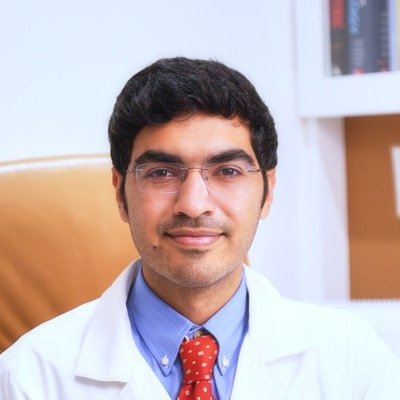
Dr. Arnav Pai’s Mumbai practice includes assessment of menstrual and gynaecological concerns. His published qualifications include MS Obstetrics and Gynaecology, DNB and MRCOG. A consultation can help you turn symptoms and reports into a practical care plan.
This article provides general information. Your own care plan depends on a clinical assessment.